Original: $19.95
-65%$19.95
$6.98The Story
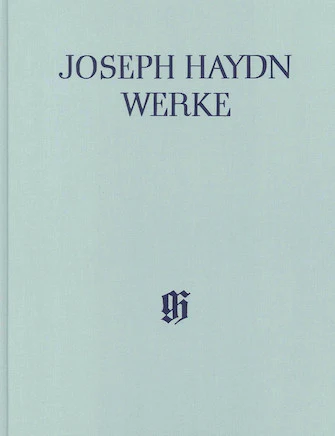
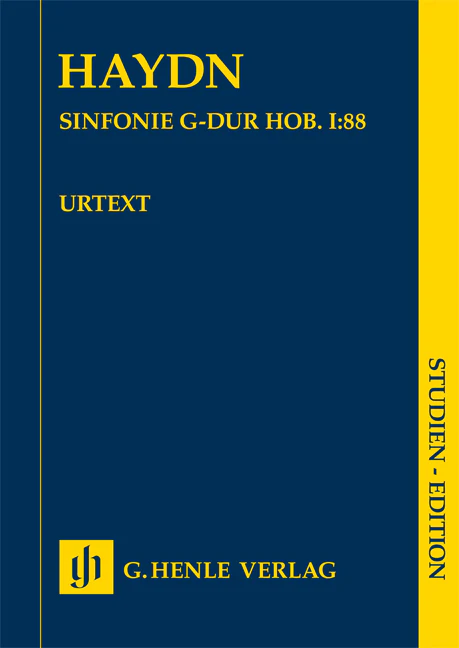
Haydn probably composed his Symphony no. 88 in G major in 1787, just one year after the six so-called Paris symphonies. It was written, together with its sister work, the F-major Symphony no. 89, for the violinist Johann Tost, who sold it to the Parisian publisher Sieber. In both works, Haydn continues the compositional achievements of the Paris symphonies: mastery of orchestration, richness of musical ideas and details, and an idiosyncratic, multicoloured use of the wind section (which still makes do without clarinets). The G-major symphony is characterised by its cheerful, almost cheeky inflection - the theme of the rondo finale in particular possesses the strong qualities of an earworm. This study edition reproduces the musical text of the Haydn Complete Edition, which is a guarantor of the finest scholarship. An informative preface and a brief critical report make this handy score an ideal companion for all Haydn fans, both present and future.

Details & Craftsmanship
Every detail has been carefully considered to bring you the perfect product.

Details & Craftsmanship
Every detail has been carefully considered to bring you the perfect product.
Description
Haydn probably composed his Symphony no. 88 in G major in 1787, just one year after the six so-called Paris symphonies. It was written, together with its sister work, the F-major Symphony no. 89, for the violinist Johann Tost, who sold it to the Parisian publisher Sieber. In both works, Haydn continues the compositional achievements of the Paris symphonies: mastery of orchestration, richness of musical ideas and details, and an idiosyncratic, multicoloured use of the wind section (which still makes do without clarinets). The G-major symphony is characterised by its cheerful, almost cheeky inflection - the theme of the rondo finale in particular possesses the strong qualities of an earworm. This study edition reproduces the musical text of the Haydn Complete Edition, which is a guarantor of the finest scholarship. An informative preface and a brief critical report make this handy score an ideal companion for all Haydn fans, both present and future.