🎉 Up to 70% Off Selected ItemsShop Sale

$34.30
Original: $98.00
-65%Liszt: Années de Pelerinage, Third Year—
$98.00
$34.30The Story
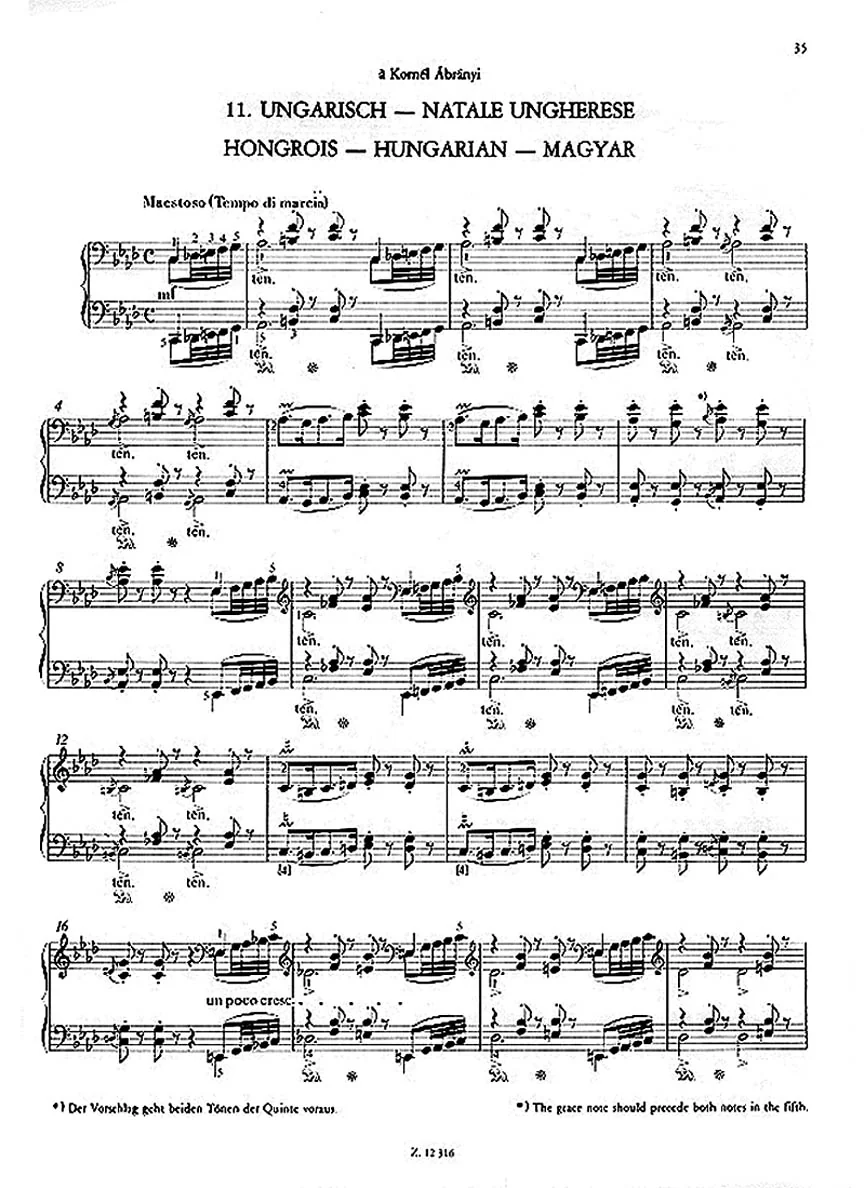
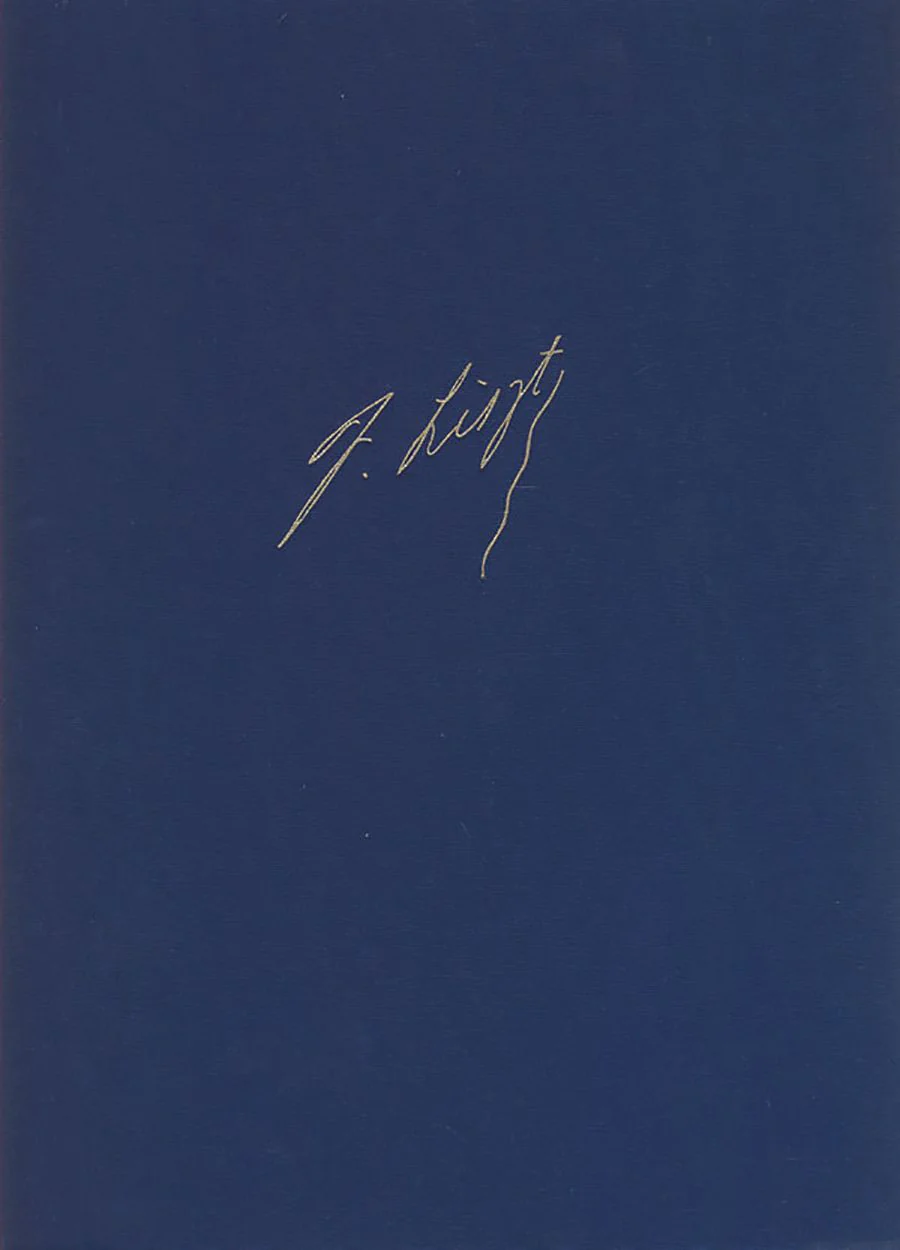
The seven pieces in Années de pelerinage, Troisieme année do not share a common theme, unlike the pieces in the first two series. This third volume includes three sacred works, three works on the fountains at the Villa d'Este, and one Hungarian piece. One interesting aspect of the first work of the series, Angelus!, is that Liszt conceived of it as being performable on the harmonium. Of the seven pieces, the one composed the earliest was the Marche funebre, in 1867, and the others were written in the 1870s. The complete series was published by Schott in 1883. As customary, there are two versions of the publication: a blue clothbound edition and a grey softcover edition. The preface, which gives the most important information on the contents and technical details, is identical in both versions, but only the former includes an English description of the sources and a critical commentary. Both versions include a facsimile of a page of Liszt's original autograph manuscript.
Description
The seven pieces in Années de pelerinage, Troisieme année do not share a common theme, unlike the pieces in the first two series. This third volume includes three sacred works, three works on the fountains at the Villa d'Este, and one Hungarian piece. One interesting aspect of the first work of the series, Angelus!, is that Liszt conceived of it as being performable on the harmonium. Of the seven pieces, the one composed the earliest was the Marche funebre, in 1867, and the others were written in the 1870s. The complete series was published by Schott in 1883. As customary, there are two versions of the publication: a blue clothbound edition and a grey softcover edition. The preface, which gives the most important information on the contents and technical details, is identical in both versions, but only the former includes an English description of the sources and a critical commentary. Both versions include a facsimile of a page of Liszt's original autograph manuscript.