Original: $31.95
-65%$31.95
$11.18The Story
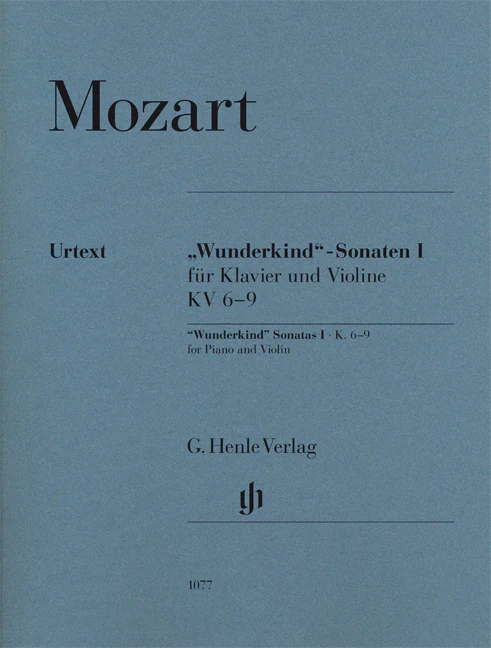
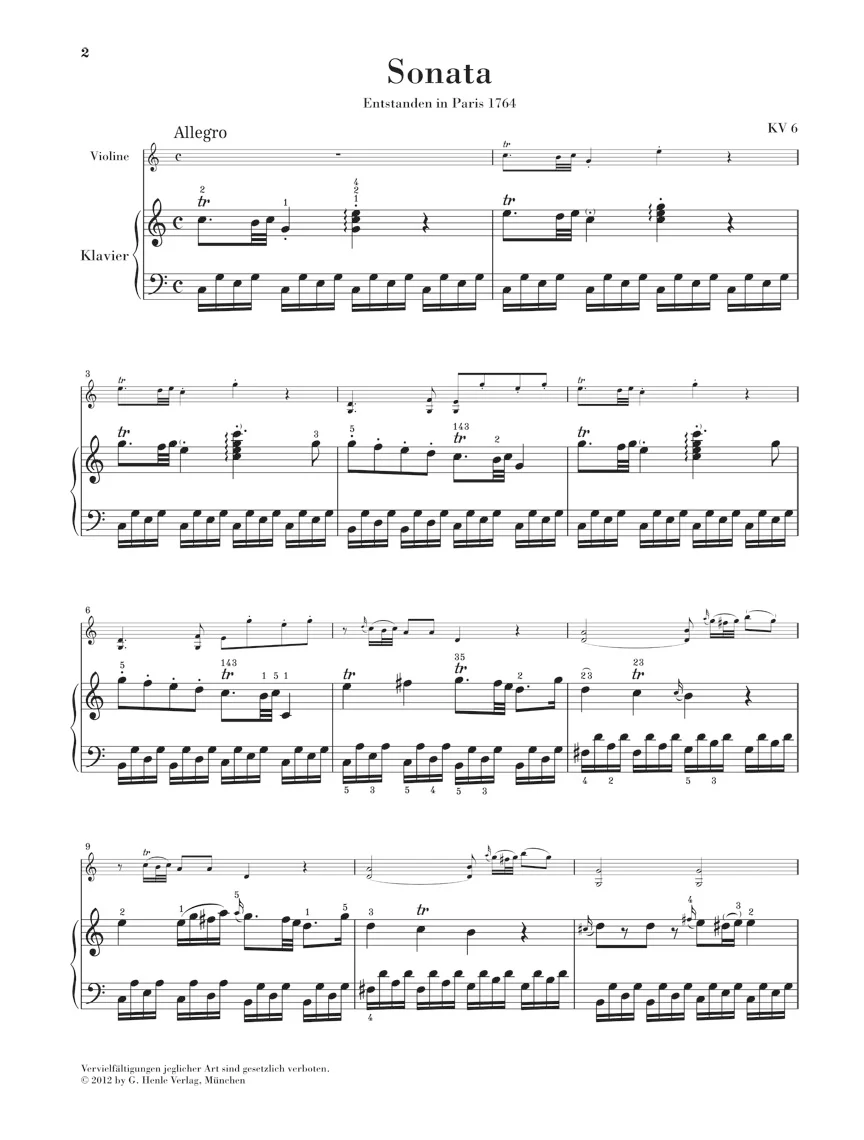
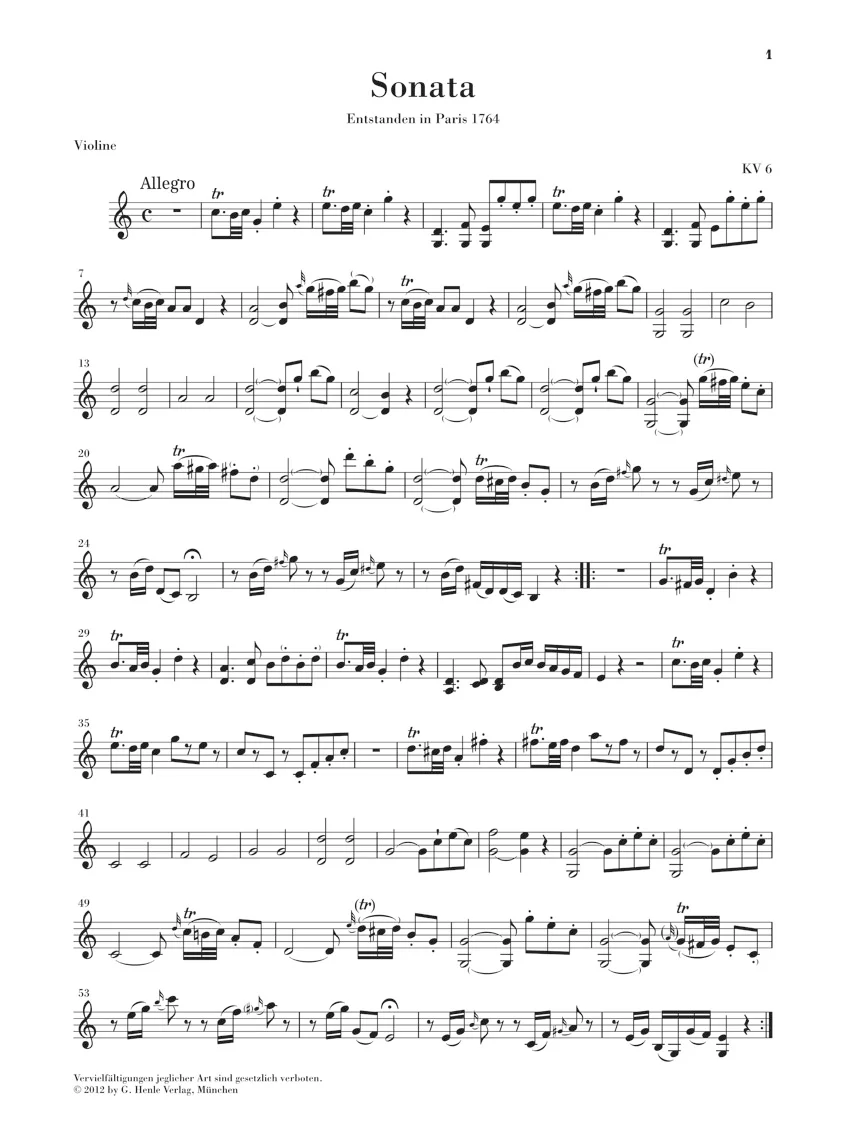
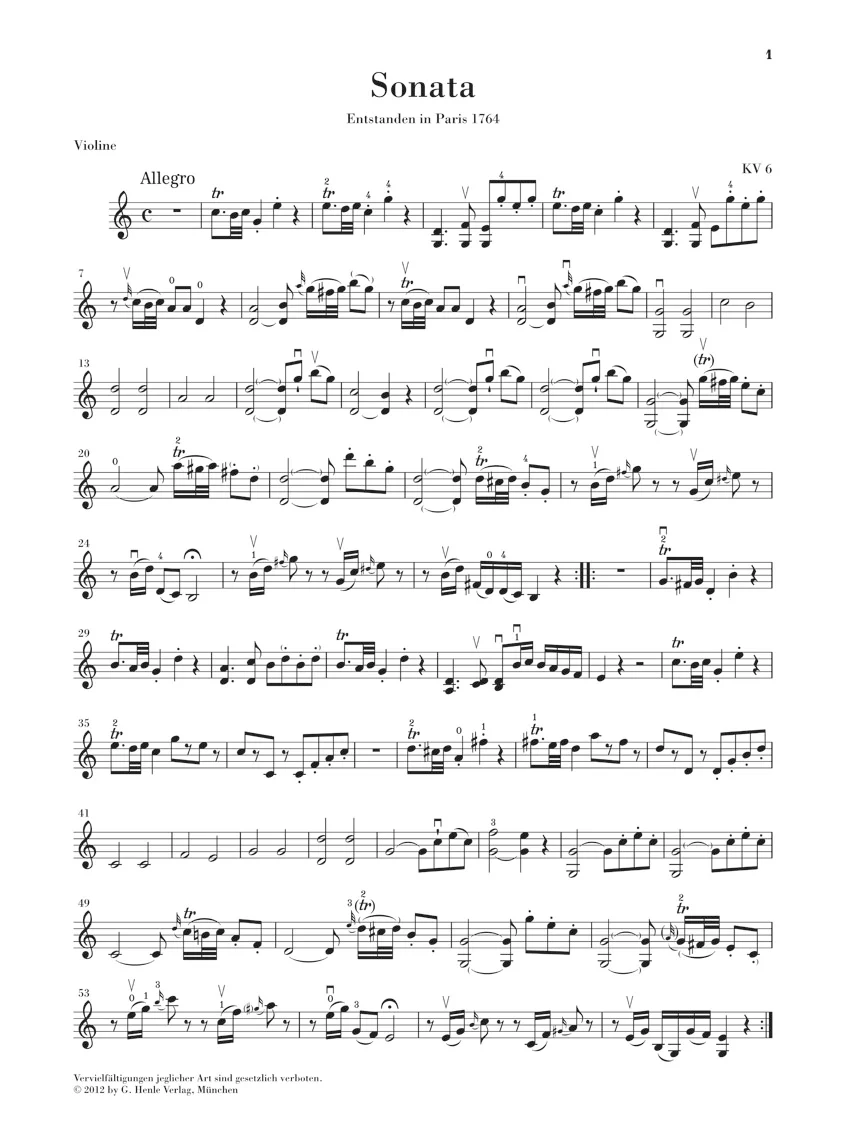
At the time, Mozart's genius - recognised at an early age - could only be explained as being God-given. Wolfgang Amadeus and his sister Maria Anna, older by five years, were admired as being "Wunderkinder" (prodigies) on their travels through Western Europe between 1763 and 1766. The piano sonatas "with a violin accompaniment" K. 6-9 were composed in Paris. It is wonderfully fresh and varied music. The piano is joined by a violin that adds colour, but not as an equal partner unlike in the later, great violin sonatas (see HN 77-80). This music is not only ideally suitable for piano and violin teaching purposes but will also allow musicians who already know "everything" to discover some treasures.
Details & Craftsmanship
Every detail has been carefully considered to bring you the perfect product.
Details & Craftsmanship
Every detail has been carefully considered to bring you the perfect product.
Details & Craftsmanship
Every detail has been carefully considered to bring you the perfect product.
Description
At the time, Mozart's genius - recognised at an early age - could only be explained as being God-given. Wolfgang Amadeus and his sister Maria Anna, older by five years, were admired as being "Wunderkinder" (prodigies) on their travels through Western Europe between 1763 and 1766. The piano sonatas "with a violin accompaniment" K. 6-9 were composed in Paris. It is wonderfully fresh and varied music. The piano is joined by a violin that adds colour, but not as an equal partner unlike in the later, great violin sonatas (see HN 77-80). This music is not only ideally suitable for piano and violin teaching purposes but will also allow musicians who already know "everything" to discover some treasures.