Original: $21.95
-65%$21.95
$7.68The Story
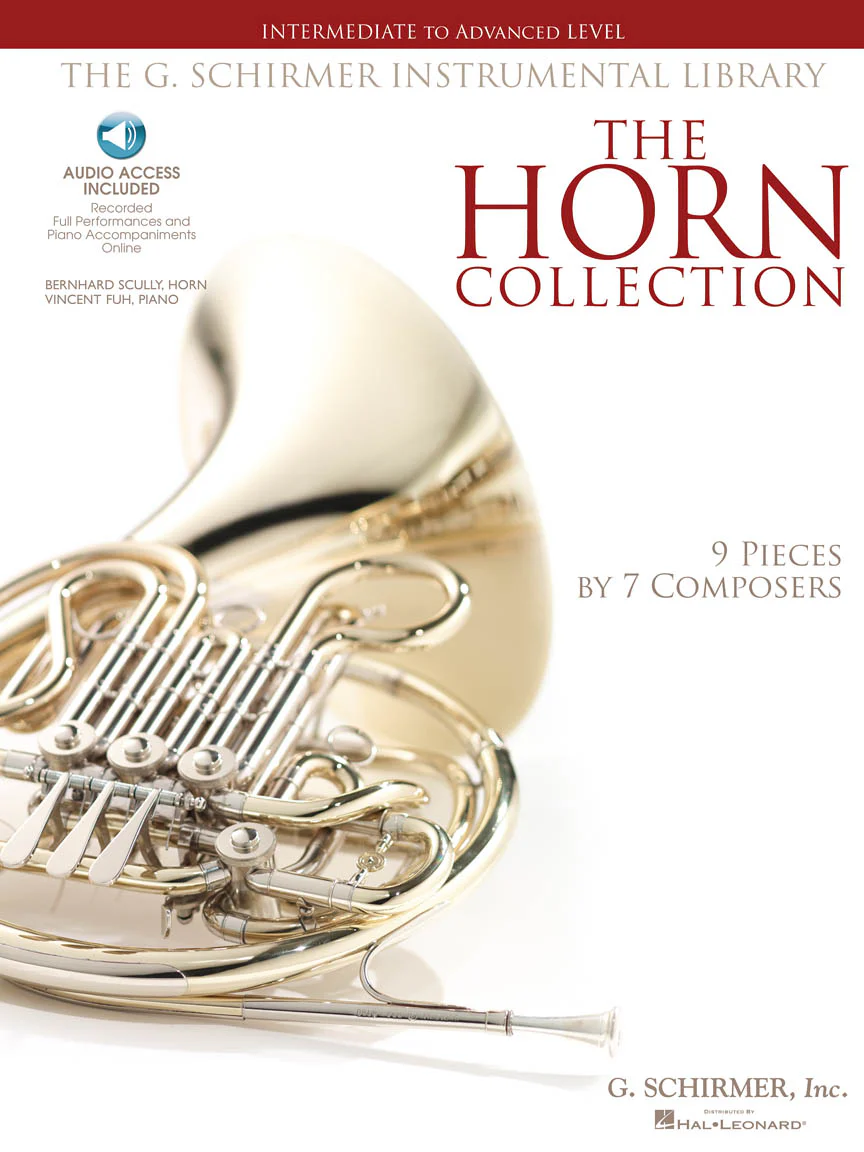
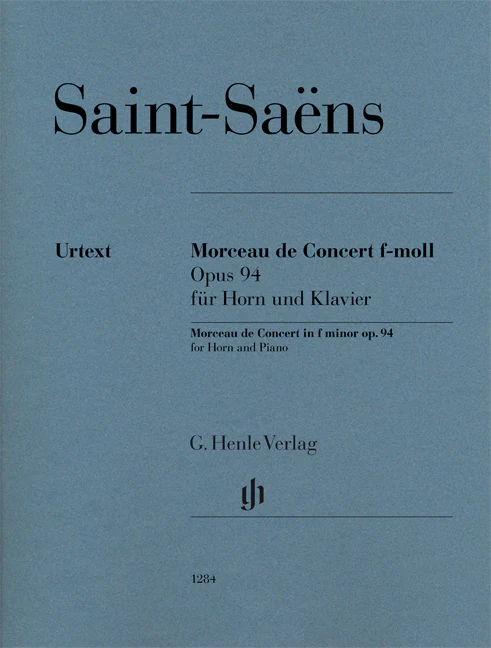
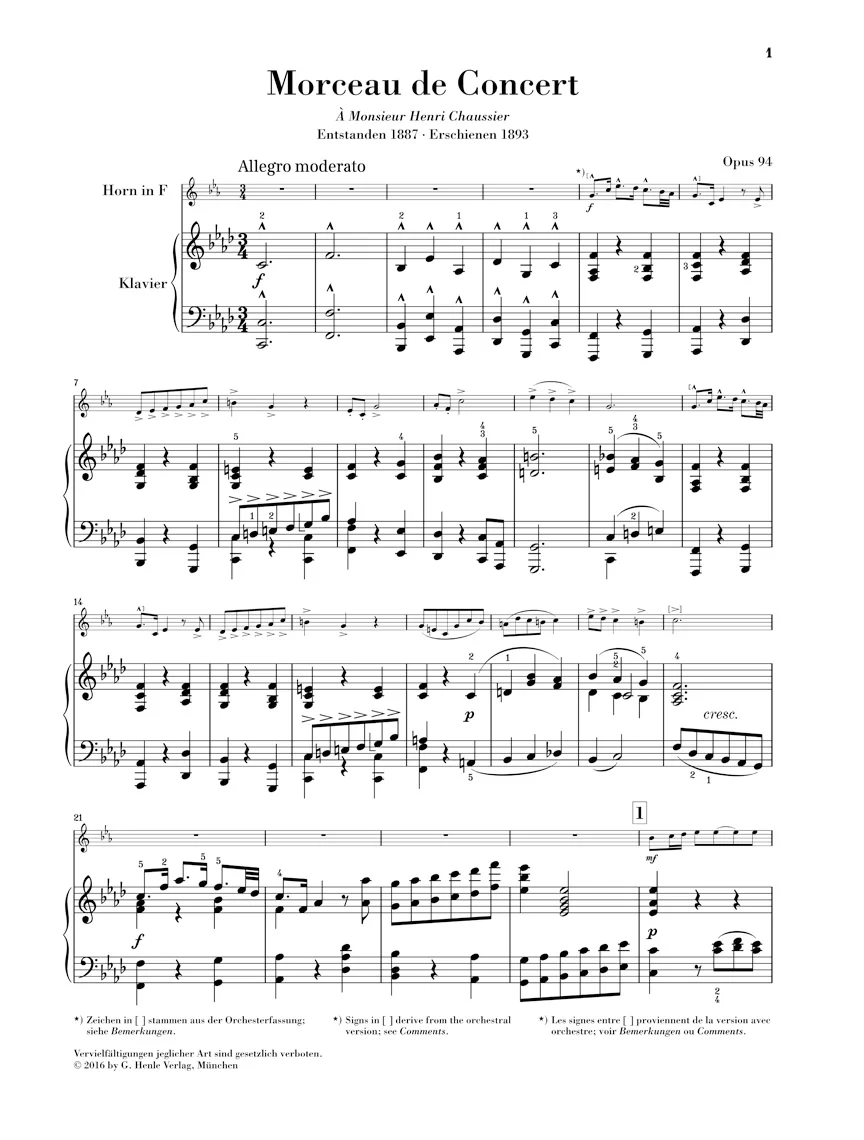
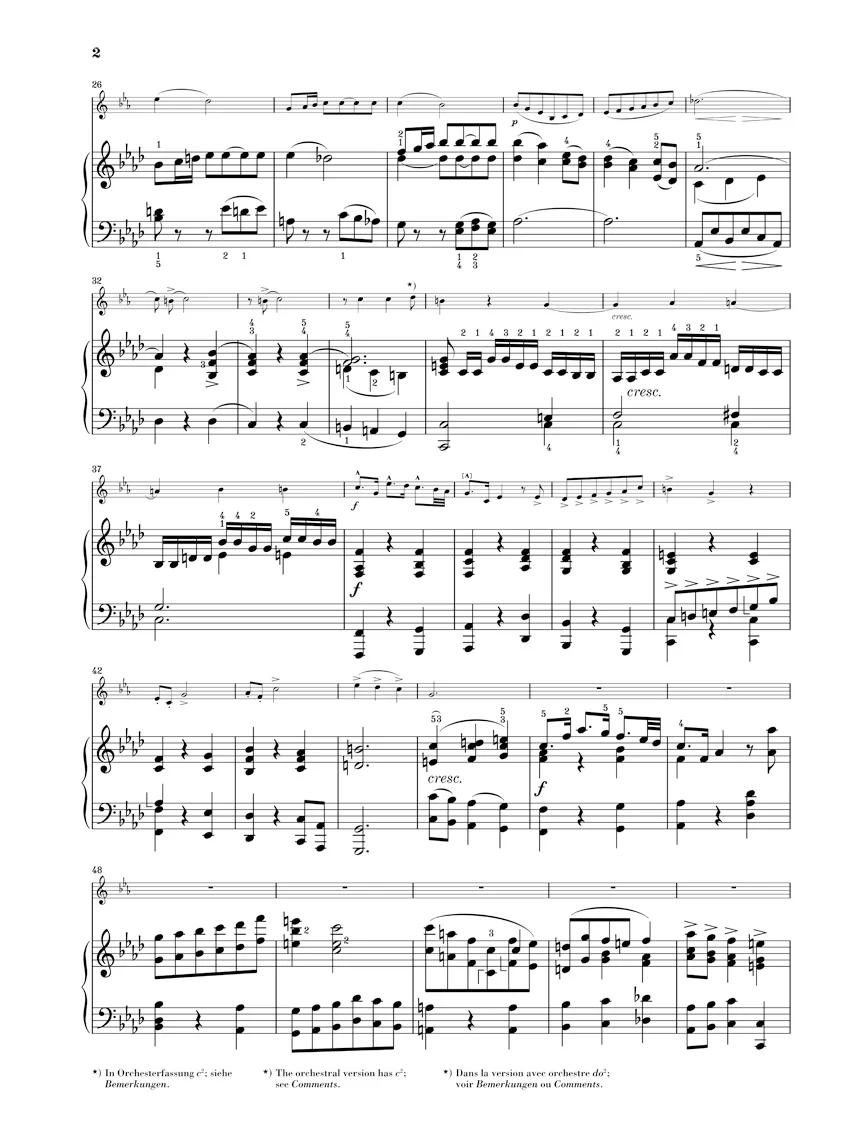
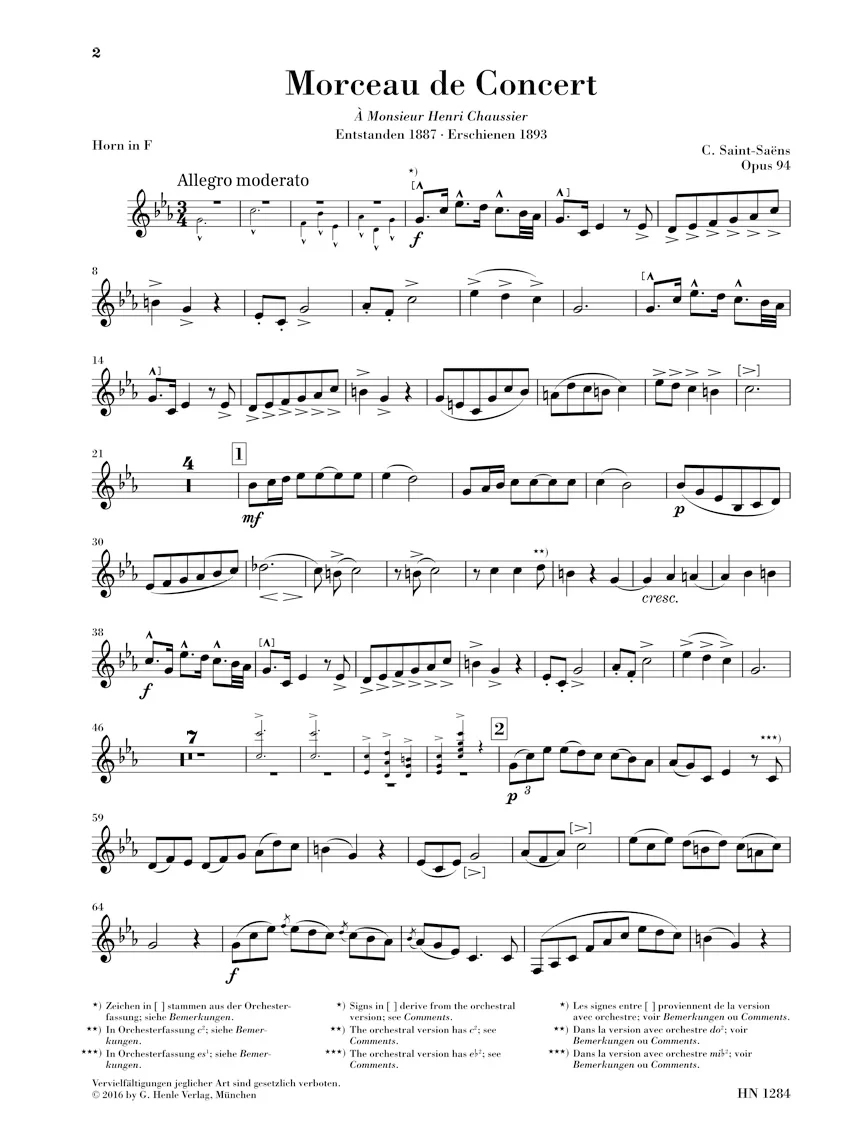
As with Schumann's "Concert Piece for four Horns" op. 86 (HN 1138) Saint-Saëns' "Morceau de Concert" was also composed with the idea of exploiting the technical possibilities of the new valve-horn mechanism. In this case, the French horn player Henri Chaussier provided the impulse. He had developed a novel "Cor omnitonique" and wanted to demonstrate the merits of his instrument with Saint-Saëns' composition. Chaussier's invention did not gain acceptance amongst horn players - although the "Morceau de Concert" did! From today's standpoint the popular work with one movement is not overly demanding technically; in addition, Saint-Saëns himself suggested two abridgements to simplify the piece, meaning that even advanced pupils can venture to play it.
Details & Craftsmanship
Every detail has been carefully considered to bring you the perfect product.
Details & Craftsmanship
Every detail has been carefully considered to bring you the perfect product.
Details & Craftsmanship
Every detail has been carefully considered to bring you the perfect product.
Description
As with Schumann's "Concert Piece for four Horns" op. 86 (HN 1138) Saint-Saëns' "Morceau de Concert" was also composed with the idea of exploiting the technical possibilities of the new valve-horn mechanism. In this case, the French horn player Henri Chaussier provided the impulse. He had developed a novel "Cor omnitonique" and wanted to demonstrate the merits of his instrument with Saint-Saëns' composition. Chaussier's invention did not gain acceptance amongst horn players - although the "Morceau de Concert" did! From today's standpoint the popular work with one movement is not overly demanding technically; in addition, Saint-Saëns himself suggested two abridgements to simplify the piece, meaning that even advanced pupils can venture to play it.